Interview coaching

Interview Coaching From a Former Recruiter

Interview coaching with me is a one-to-one session built around your specific interview. We research the company and the hiring manager, prepare everything in advance, and work on your technique so you stop simply answering questions and start asking the right ones.

That is what positions you as the senior, valuable candidate they need to hire. I've sat on every side of the hiring table, so you'll know exactly what the person across from you is listening for.

One-to-one, 1-hour sessions. Most people need 1 or 2. How booking works

Looking for help with your whole job search? Interview coaching is one part of my 5-step framework.
See all career coaching services →
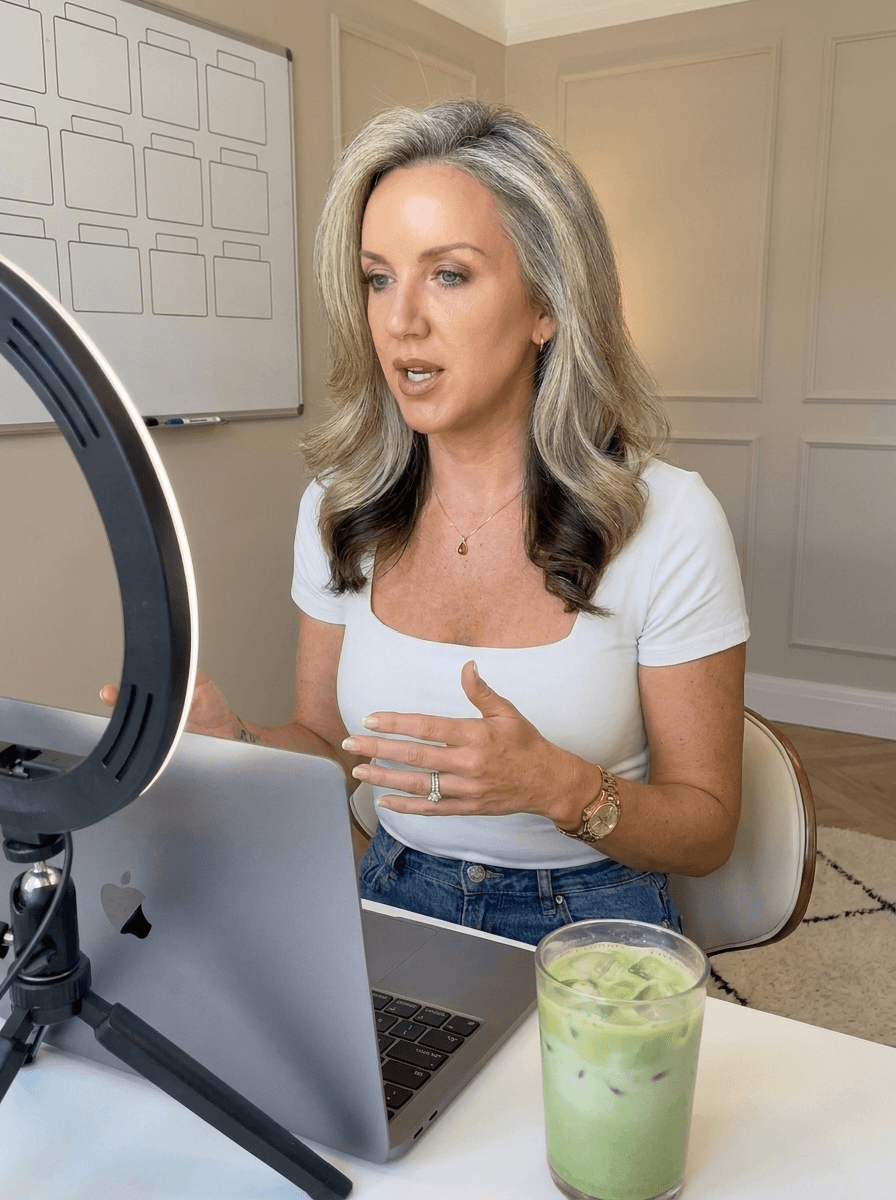
Lucy Gilmour coaching a client through an interview preparation session on a video call
50+Countries worked across in recruitment
10 yearsRunning my own search firm
Top VoiceLinkedIn · Job Search Strategies
1,000+Mid-to-senior professionals helped
Why interviews need their own coaching

Getting interviews and getting offers are two different skills.

Getting interviews is one skill. Converting them into offers is a completely different one.

You can target the right jobs, approach companies directly, get your LinkedIn and resume right and build a profile that attracts employers. All of that matters. But if you can't convert the interview once you're in the room, it means nothing.

I've worked as an internal recruiter, an agency recruiter and a hiring decision-maker. Here's what I know from that side: by the final stage, everyone has the experience and everyone has the qualifications. Personality and connection are what get the offer.

  • Instead of: Preparing generic answersDo this: Research the company and the hiring manager in advance
  • Instead of: Answering, then carrying on talkingDo this: Give a good answer, then stop
  • Instead of: Guessing what they want to hearDo this: Clarify the question before you answer it
  • Instead of: Reciting your CVDo this: Build a connection they'll remember
  • Instead of: Justifying your salaryDo this: Let the employer make the case for you
Inside a session

What happens in an interview coaching session.

Every session is tailored to you and the interview in front of you.

  1. The company

    What they do, where they're heading and what this role really needs to solve.

  2. The hiring manager

    Who you're meeting, their background and what they're likely to care about.

  3. Your preparation

    We review everything in advance so you walk in fully prepared, not hoping for the best.

  4. Your technique

    Are you just talking, or are you questioning? This is where most of the gains come from.

    • Mock interview practice
    • Socratic questioning
    • Salary questions
The mistake I see constantly

Most people talk too much.

They give a good answer, then keep talking.

The more you talk, the more reasons you give the interviewer to have reservations. You create objections that weren't there before.

The fix isn't a longer, more polished answer. It's putting the ball back in the employer's court, so they have to clarify what they actually want.

I teach a simple structure: Answer. Evidence. Result. Then stop. If the interviewer wants more detail, trust me, they'll ask.

My approach

Socratic questioning: how you create leverage.

When the interviewer asks a question, you clarify it first. They give you more information. Then you tailor your answer to exactly what they want to hear.

It does two things. Your answers land, because you know what they're looking for. And you come across as a more senior candidate, because senior people ask questions before they give answers.

Example: "Tell me about yourself"

Most candidates recite their CV. Instead, try:

"Sure, I'm happy to. Just so I know, what are you looking for? Is it something to do with my professional background, my personal life, or something else?"

Whatever they choose, they've just told you what they want to hear. If it's your background, you can clarify your CV. If it's personal, it's fair to share more about who you are outside work. If they leave it to you, I'd usually go personal. You can even say:

"You've got my resume, so let me tell you something that isn't on it."

That's how you build the connection that wins the final stage.

Client story

Hired at twice the going rate.

One of my clients was told in an interview that he was asking for twice as much money as anyone else. Then they asked him why that might be.

He didn't apologise or start justifying himself. He asked a question back:

"If I'm asking for twice as much as anyone else, there must be a reason. You've interviewed the other candidates and you've still invited me in. What is it about my skills and experience that you feel would allow me to do this job in a way the others couldn't?"

They answered it for him.

$10ka month: what the role was pitched at
$20ka month: what he was hired at

That's the leverage Socratic questioning creates.

In their own words

From interview to offer.

Final job offer in under 60 days
I did manage to go from first contact with Lucy to a final job offer after intense rounds of interviews in less than 60 days! My only regret is not finding her sooner.
Jim BerridgeEnterprise Partnerships Lead
Offer as Head of Business Value
Lucy helped me refine my positioning and coached me to approach every conversation with greater clarity and confidence than I did at the start of my search. I’ve just accepted an offer as Head of Business Value, a role that’s an excellent fit in every way.
Martin DeWittValue Engineering Leader
Moved from academia into industry
The online program was exceptional and the one-on-one sessions with Lucy were even better. Lucy and her colleagues were incredibly helpful in all aspects of this process, including valuable tips regarding preparing cover letters, optimizing my CV and LinkedIn profile, searching for positions, preparing for interviews, and final negotiations.
Jeffrey RubnitzMedical Director / Principal Investigator
How interview coaching works

Two ways to book.

Sessions are 1 hour and focus on exactly what you need. Most people need 1 or 2, usually ahead of a specific interview.

One-off session

Power Hour

A one-off, one-to-one hour with me. Book and pay online.

  • Prepared in advance from your resume and the job you're going for
  • Research on the company and hiring manager
  • Practice and direct feedback on your answers
  • Socratic questions tailored to your interview
  • Or simply an hour of coaching on whatever you want to talk through

Best for: anyone with a specific interview coming up, or who wants focused one-to-one coaching without joining a program.

Book & pay for a Power Hour →

How booking a Power Hour works

  1. Book and pay online. Choose a time that suits you on my booking page. Payment is taken when you book.
  2. Send me the details. Share your resume, the job you're going for and anything else that's useful, so I can prepare before we speak.
  3. We meet one-to-one for an hour. We focus on your interview, or on whatever you most want to work through.
Book your Power Hour →
Who it's for

Everyone who is interviewing.

Whatever your level, converting interviews into offers is its own skill, and it's worth working on deliberately.

If you're not getting interviews yet, start earlier in the process. Inside the Career Growth Accelerator, the interview and negotiation module comes after targeting the right roles, direct outreach, and getting your LinkedIn and resume in shape.

Interview coaching FAQs

Frequently asked questions.

What is interview coaching?

Interview coaching is one-to-one preparation for a job interview with someone who knows how hiring decisions are made. With me, that means researching the company and the hiring manager, preparing your answers and working on your technique, particularly how to ask clarifying questions instead of over-talking.

How do I book a one-off interview coaching session?

Book a Power Hour on my booking page. You choose a time, pay when you book, then send me your resume, the details of the job you're going for and anything else that's useful, so I can prepare in advance. You can also use a Power Hour for general one-to-one coaching on anything you want to talk through.

How many interview coaching sessions do I need?

Most people need 1 or 2 one-hour sessions, usually booked ahead of a specific interview. If you're interviewing regularly, the Career Growth Accelerator gives you ongoing one-to-ones alongside the interview and negotiation module.

Do you run mock interviews?

Yes. Sessions can include practising answers to the questions you're likely to face, with direct feedback on what you say and how much you say.

Is interview coaching worth it?

If you're getting interviews but not offers, yes. At the final stage everyone has the experience, so the offer goes to the candidate who positions themselves best and builds a connection. One client used the approach on this page to get hired at twice the rate the role was pitched at.

Can interview coaching help with salary negotiation?

Yes. Questions about money are interview questions too, and the same Socratic approach works. Ask a clarifying question, let the employer make the case for you, then answer.

Your next interview

Your next interview is where it all counts.

Everything you've done to get the interview only pays off if you convert it. Prepare for the specific company and hiring manager, stop talking once you've answered, clarify the question before you answer it, and build a connection, not just a case.

Want to start with free advice? Read my interview articles